


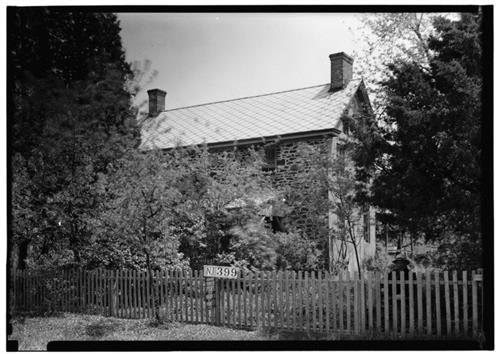
The Family and Home of The Jersey Devil | NJ’s Most Infamous Cryptid
The Jersey Devil exists in that narrow space where history and story overlap, and it has remained there for more than two centuries. The legend is consistently tied to Leeds Point, a small settlement at the edge of the Pine Barrens, where isolation and landscape make the story feel plausible enough to persist.
Leeds Point and the Pine Barrens
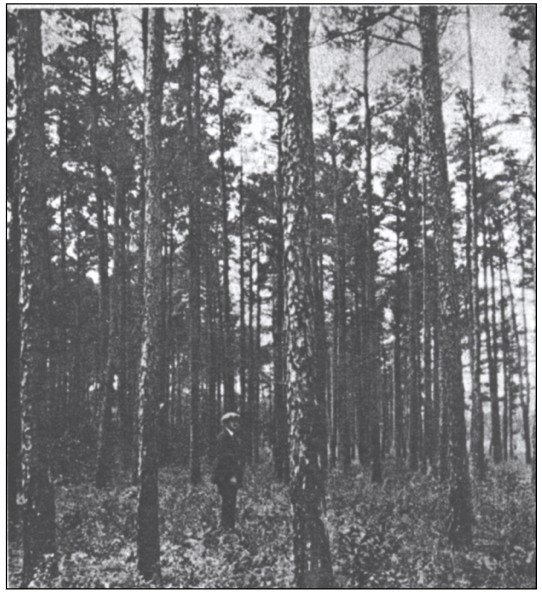
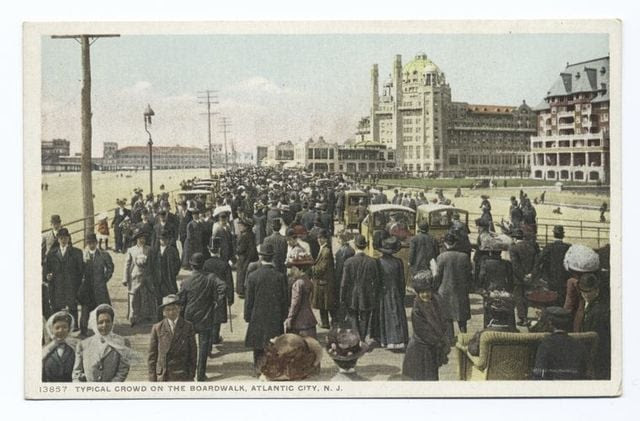
Leeds Point was settled in the late 1600s and remained relatively isolated well into the 18th century. The Pine Barrens, covering over a million acres, created a natural barrier between communities. That isolation allowed local reputations and stories to develop with very little outside interference.
Citation: New Jersey Pinelands Commission, historical overview of settlement and geography.
The Leeds Family
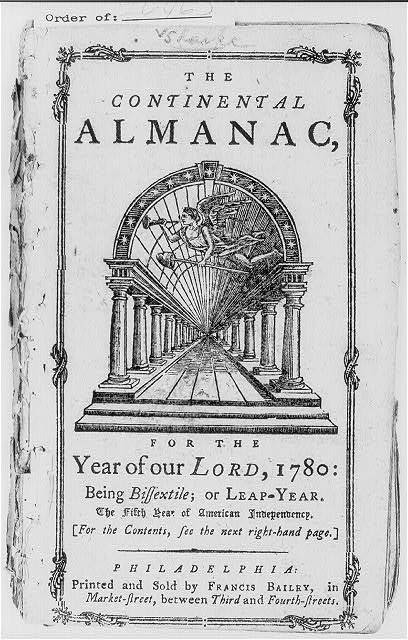
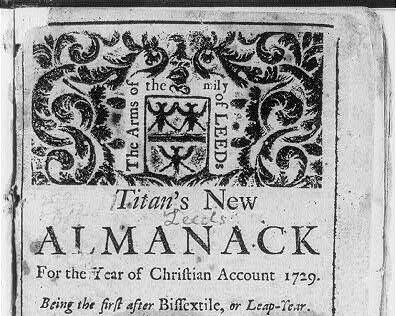
The legend is anchored in the real Leeds family. Daniel Leeds (1652–1720) published almanacs that included astrology and esoteric imagery, which led to conflict with Quaker leaders. His work was publicly criticized, and over time the Leeds name became associated with controversy.
Citation: Brian Regal & Frank J. Esposito, The New Jersey Devil (Johns Hopkins University Press, 2018).
The “Leeds Devil”
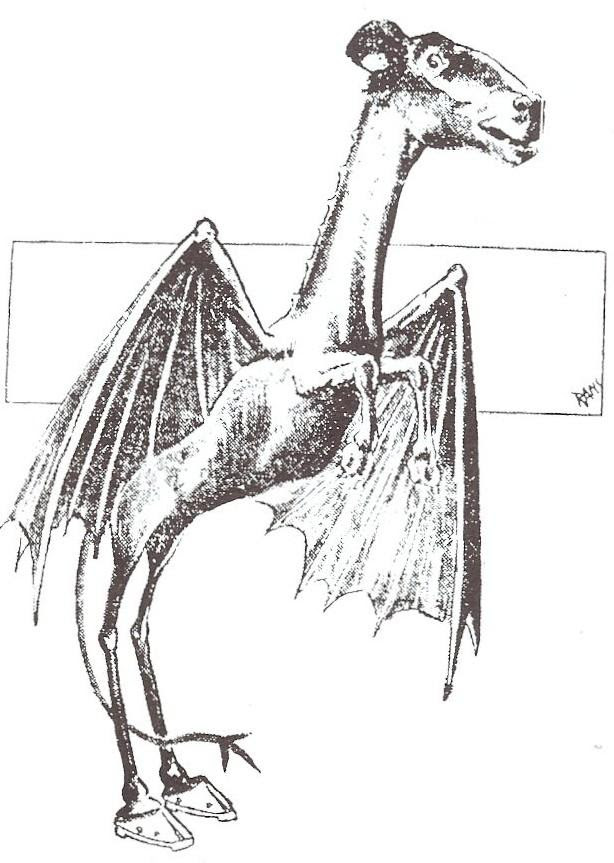
The story of “Mother Leeds” and the thirteenth child appears in later folklore, typically placed in the early 1700s. While no birth record confirms it, references to a “Leeds Devil” appear in print by the 19th century, indicating the legend had already formed.
Citation: Regal & Esposito (2018); Library of Congress newspaper archives (“Chronicling America”).
The 1909 Sightings
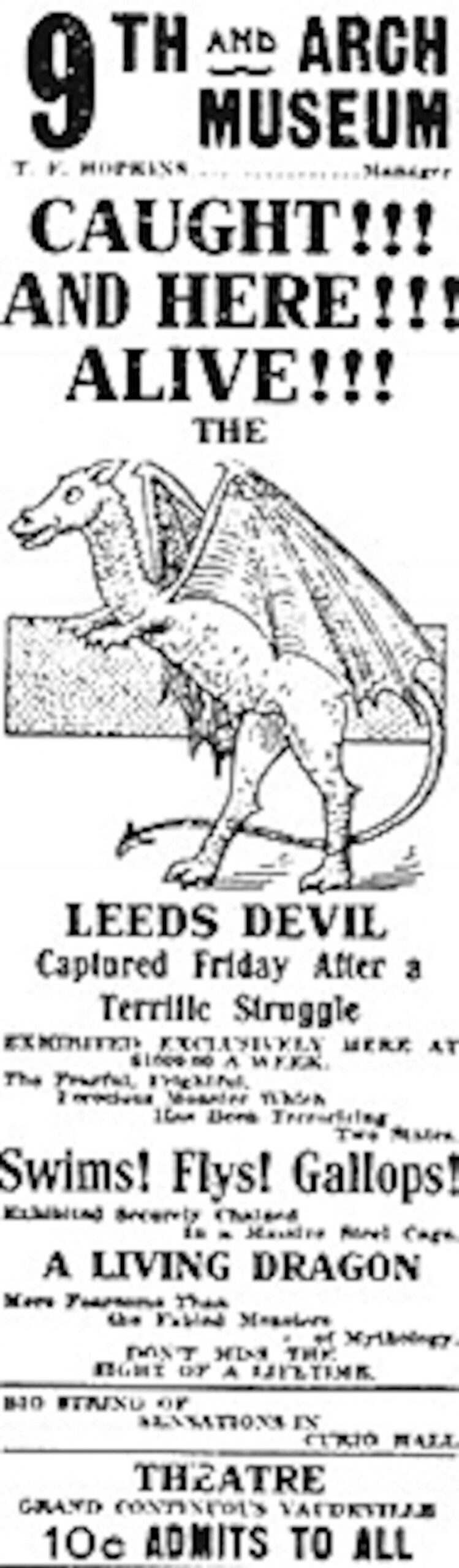
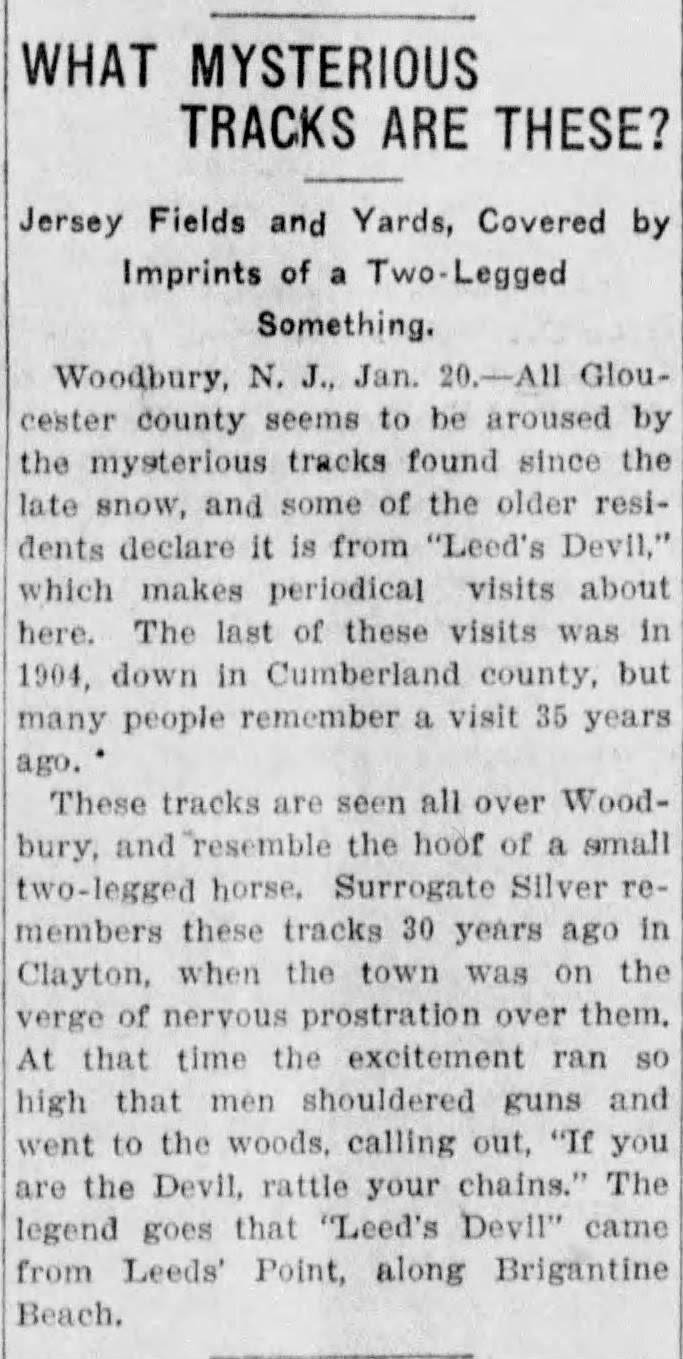
In January 1909, newspapers across New Jersey and Pennsylvania reported widespread sightings. Accounts included tracks in the snow, encounters with a winged creature, and unexplained disturbances. Schools closed and search parties were organized. No physical evidence was confirmed, but the reports were widely documented.
Citation: The Philadelphia Evening Bulletin, January 1909; The New York Times, January 1909.
Leeds Point remains central to the story not because anything has been proven there, but because the setting has never contradicted the legend. The Leeds family existed. The Pine Barrens remain vast and difficult to fully account for. The sightings of 1909 were real events, even if their cause remains unclear.
What connects those elements is still unresolved, and that uncertainty is what allows the Jersey Devil to remain—part history, part folklore, and still, for some, an open possibility.

