

Explore Haunted Museum Tours: Paranormal Exhibits for True-to-Life Ghost Experiences
Pairing guided ghost hunts with hands-on paranormal exhibits brings together history, investigation, and immersive storytelling for visitors who want more than a simple walk-through. This guide shows how museum ghost tours with exhibits work, what you’ll see and hear, and practical steps to prepare before you arrive. We also address common concerns—credibility, safety, and what happens during an investigation-style stop—by outlining each exhibit’s provenance, the typical equipment used, and what to expect across different tour formats. You’ll find quick comparisons of tour types, a scan-friendly table of notable artifacts with provenance notes, and clear pathways to volunteer or support the Paranormal Museum. Read on for a practical, evidence-minded look at haunted museum tours: the exhibits you can explore, how to get ready, and ways to get involved.
The unique experiences our ghost tours offer
Our ghost tours that include paranormal exhibits layer guided storytelling, physical artifacts, and investigator tools to create experiences that appeal to both historians and thrill-seekers. Each tour pairs historical interpretation with live demonstrations and curated exhibit stops so you can see provenance and reported activity side by side. The goal is to educate while encouraging critical observation—helping visitors separate folklore from documented reports—and to lead naturally into hands-on investigation stations on select tours.
- Daytime guided history tours: Quiet, interpretive walk-throughs focused on provenance and archival evidence.
- Late-night flashlight ghost tours: Mood-driven evening walks that highlight sensory storytelling and reported sightings.
- Private investigation-style tours: Small-group sessions that include guided use of investigative equipment and real-time data review.
These formats let guests choose the level of immersion they prefer. The next section compares core attributes so you can pick the best fit for your interests.
| Tour Type | Typical Duration | Equipment Emphasis |
|---|---|---|
| Daytime guided history tour | 60–75 minutes | Minimal; exhibit viewing and narration |
| Late-night flashlight ghost tour | 90–120 minutes | EMF meters and guided observation |
| Private investigation-style tour | 120+ minutes | Hands-on equipment use and data review |
How do haunted museum tours combine history and paranormal activity
We marry historical interpretation with paranormal accounts by presenting artifacts alongside documented background and witness statements so reported phenomena have context. Guides introduce an item’s provenance—where it came from and why it matters—then summarize any recorded activity tied to it, such as EVP captures or repeat eyewitness reports. That approach lets visitors evaluate claims against historical evidence, anchoring spooky anecdotes in traceable records. Education comes first and speculation second, which encourages careful listening and prompts questions investigators can explore during demonstrations.
Because every artifact carries a backstory, guides commonly move from archival records to a live investigation demo—setting clear expectations about which locations and objects will be examined next.
Which haunted locations are explored during our ghost tours?
On museum-affiliated tours we visit historic homes, institutional buildings, and preserved rooms where artifacts originated—each chosen for both historical interest and reported activity. At every stop, guides summarize the site’s documented history, notable occupants or events, and any recurring paranormal reports that justified the item’s inclusion in an exhibit. Guests typically hear a short interpretive talk, get time to view the artifact or space, and—on investigation-style tours—witness a supervised equipment demonstration that samples real-time data collection.
Common stops include preserved parlors with household objects, former institutional wards with recorded reports, and landmark structures tied to local lore; these visits transition naturally into the museum exhibit spaces where provenance is displayed.
What paranormal exhibits can visitors explore at the museum
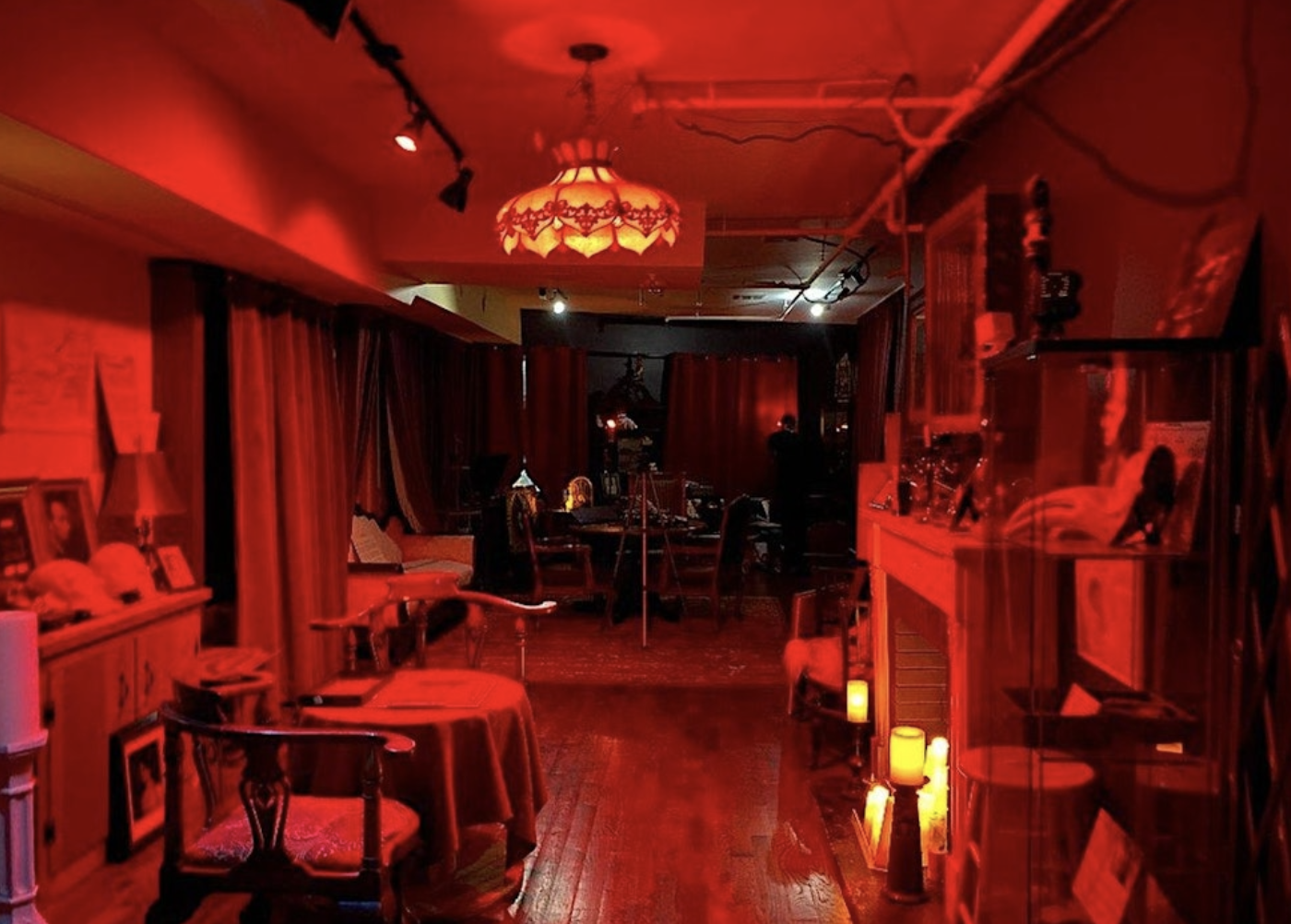
Paranormal museums usually present a mix of permanent and rotating exhibits featuring haunted artifacts, investigator tool displays, and case-based interpretation zones for documented incidents. The value of these exhibits comes from pairing provenance—ownership history, transfer records, and documented sightings—with sensory displays that clarify how claims were investigated. Exhibits are transparent about what’s anecdote, what’s documented, and the limits of the available evidence.
Below is a concise EAV table summarizing common exhibit highlights so you can quickly scan provenance and reported activity.
| Artifact or Exhibit | Provenance / Origin | Reported Activity |
|---|---|---|
| Haunted Doll Exhibit | Donated from private estate with provenance card | Localized cold spots reported repeatedly; alleged movement incidents |
| Dybbuk Box Replica Display | Reproduction with historical captions and donor notes | Associated case files and EVP recordings on file |
| Investigator Tools Cabinet | Collection sourced from documented investigation teams | Demonstrated use; items linked to specific case timelines |
Haunted artifacts are featured in our museum collections
Featured pieces tend to be items with traceable histories—documents, personal effects, and objects recovered from sites with repeat reports—and each includes notes on provenance and any investigative records. Labels often list donor chains, archival references, and summaries of documented phenomena like EVPs or repeat sightings so visitors can assess authenticity. Handling may be restricted for sensitive artifacts, and some items are shown only during curated tours or by appointment to protect their condition and respect ethical concerns.
After reviewing provenance, visitors are often guided to interactive displays that demonstrate the tools and methods investigators use to examine reported phenomena.
How do interactive displays enhance the ghost-hunting museum tours?
Interactive stations turn passive viewing into active learning by letting visitors see—and sometimes try—the tools investigators use, such as EMF meters, spirit box demos, and EVP audio playback, always under staff supervision. These displays link an artifact’s history to the investigative methods applied, helping guests understand data collection and interpretive limits. Safety and supervision are priorities: hands-on elements are monitored, respectful-handling guidelines are posted, and staff remind visitors that equipment returns measurements, not definitive answers.
Interactive moments are also staged to be social-media-friendly without sacrificing educational rigor, which naturally leads into practical preparation advice for visitors.
How can visitors prepare for a paranormal museum visit and ghost tour?
Preparing means knowing your tour format, dressing for variable lighting and conditions, and understanding participation rules for hands-on stations so you can enjoy the visit responsibly. A little planning reduces uncertainty: wear comfortable, layered clothing for cool late-night stops, bring a charged smartphone for photos where allowed, and be ready to follow guide instructions during investigation segments. Accessibility needs and safety protocols are typically shared at booking so visitors with mobility or sensory considerations can plan ahead.
Here’s a compact checklist to help with pre-visit planning.
- Check tour type and duration: Confirm whether the tour is interpretive, investigation-style, or private.
- Dress for conditions: Wear sturdy shoes and layered clothing for mixed indoor/outdoor stops.
- Bring permitted items only: Carry a charged phone and any required accessibility aids; follow exhibit handling rules.
- Arrive prepared to learn: Read labels and ask questions during Q&A segments.
This checklist helps ensure a comfortable, informed visit and leads into a short equipment primer describing what you’ll see and how it’s used.
| Equipment | Purpose | Typical Visitor Interaction |
|---|---|---|
| EMF Meter | Measures electromagnetic fields near artifacts | Guides demonstrate use; limited visitor handling |
| Spirit Box (Radio Sweep) | Real-time audio scanning for patterns | Staff-led demo with playback and interpretive discussion |
| Digital Audio Recorder | Captures EVP attempts during investigations | Used by investigators; recordings reviewed later for context |
What should you expect during a haunted artifact tour
A typical artifact stop begins with a concise provenance statement, follows with an account of reported activity, and includes guided observation or audio-visual material that supports the story. You’ll be invited to view items, listen to recorded EVPs or witness statements, and ask questions; interaction rules and crowd management preserve artifacts and ensure good sightlines. Stops are paced to balance storytelling with evidence review and often transition into a tool demonstration or the next exhibit.
Clear photography and handling policies are posted at each stop so guests know what’s allowed and how to engage respectfully.
Which ghost-hunting equipment is used on our tours and exhibits?
We commonly use EMF meters for field fluctuations, spirit boxes for live audio sweeps, infrared and low-light cameras for visual monitoring, and digital audio recorders for EVP sampling. Each device serves a specific purpose: EMF meters measure environmental fields, cameras document visual anomalies, and recorders archive audio for later analysis. Guides explain both capabilities and limits to avoid overstating findings. Visitor participation varies by tour—some private or hands-on sessions allow supervised handling, while public tours focus on guided demonstrations.
Explaining equipment use sets realistic expectations about the data devices provide and how guides interpret those results.
How can you join or support the Paranormal Museum team today?
Community involvement strengthens the museum’s research capacity and educational reach. Typical ways to help include volunteering as event staff, assisting with exhibit research, or joining supervised investigation teams. Volunteer roles come with training, behind-the-scenes access to collections, and opportunities to learn research methods while contributing to the museum’s mission. If you’re interested in deeper involvement, inquire directly about available roles and application steps.
Ready to take the next step? Join the Paranormal Museum team to connect with training, events, and research opportunities that deepen your involvement without overshadowing the visitor experience.
- Volunteer as tour support: Assist guides and help manage visitor flow during events.
- Contribute to exhibit research: Help document provenance and compile archival sources.
- Join supervised investigations: Participate in data collection under staff guidance.
These options provide clear ways to support the museum’s work while gaining hands-on experience; prospective volunteers should expect an orientation that outlines time commitments and responsibilities.
What volunteer opportunities are available for paranormal enthusiasts?
Common volunteer roles include tour assistants, exhibit researchers, event staff, and archival helpers—each with modest time commitments and role-specific training to preserve exhibit integrity. Tour assistants support visitor flow and interpretive storytelling; exhibit researchers trace provenance and document sources; event staff handle logistics for late-night or special programs; and archival helpers catalog donations and maintain records.
Volunteers receive orientation and mentorship that connect them directly with the experts who curate exhibits and run investigations.
Who are the experts behind our ghost tours and exhibits?
Our team blends historians, curators, and trained investigators who use archival research and documented methodologies to interpret artifacts and case files. Historians verify provenance and provide context, curators manage display and conservation, and investigators apply standardized data-collection methods during demonstrations. This collaborative model ensures exhibits balance historical rigor with transparent investigative practice, and visitors are often invited to meet or hear from these experts at special events.
Our team approach emphasizes ethical handling, careful sourcing, and clear communication about the difference between documented evidence and anecdotal reports.

